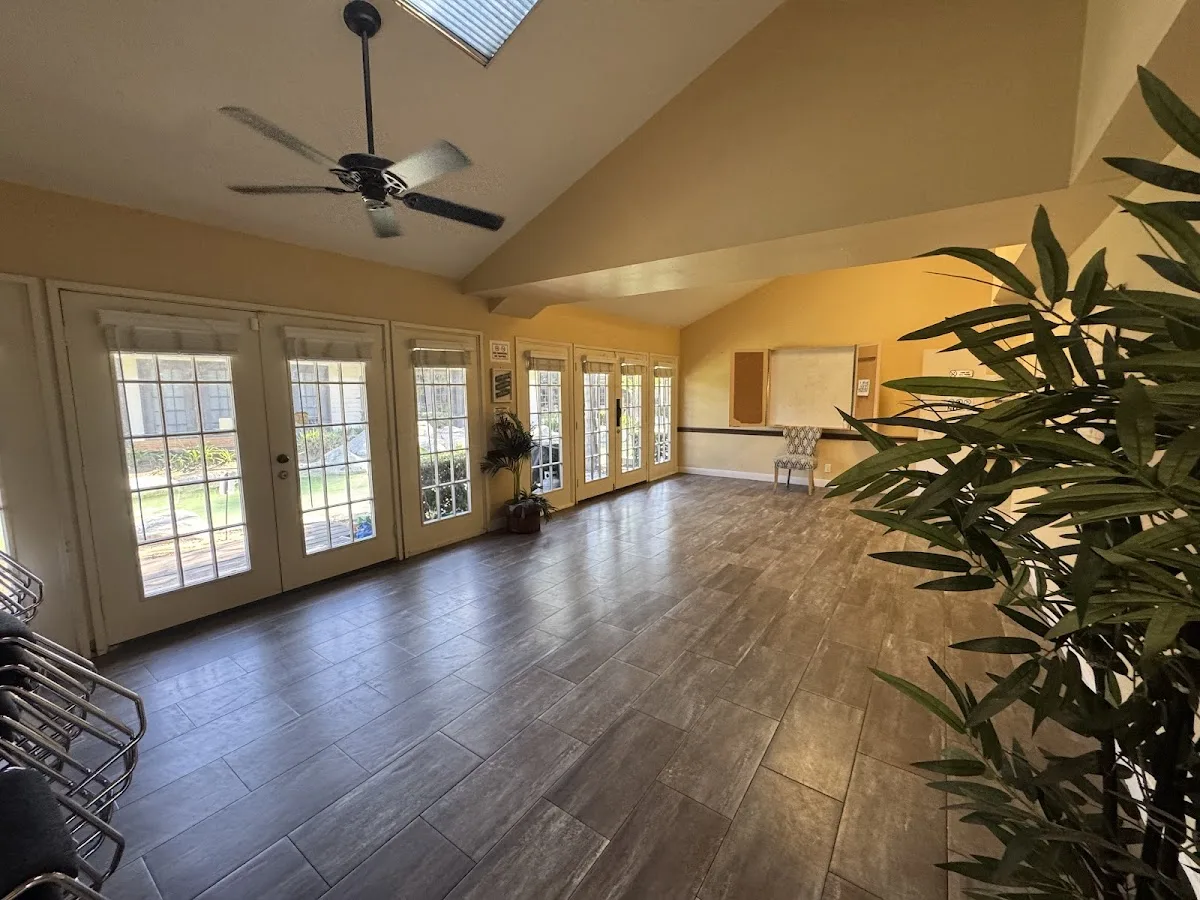

Choosing the right sober living home is a crucial step in the recovery journey. In Santa Ana, California, there are several options available, but finding a place that feels safe, supportive, and conducive to your recovery is essential. This guide will help you navigate the process of selecting a quality sober living home, ensuring you make an informed decision that aligns with your recovery goals.
What Makes a Quality Sober Living Home?
A quality sober living home provides a structured and supportive environment for individuals in recovery. Here are some key characteristics to look for:
- Supportive Community: Residents should be encouraged to support each other through shared experiences and challenges.
- Structured Environment: A well-organized schedule that includes regular meetings, chores, and group activities can foster accountability.
- Qualified Staff: Look for homes with staff who have experience in addiction recovery and can provide guidance.
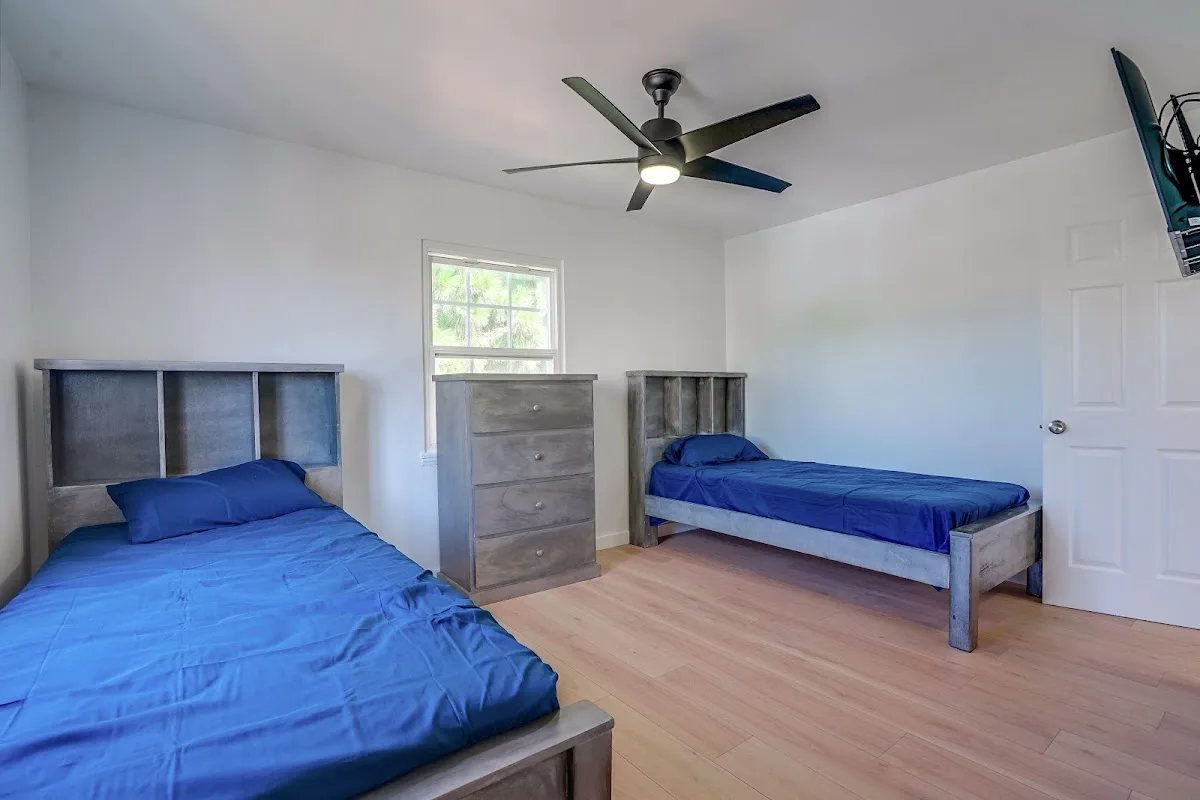
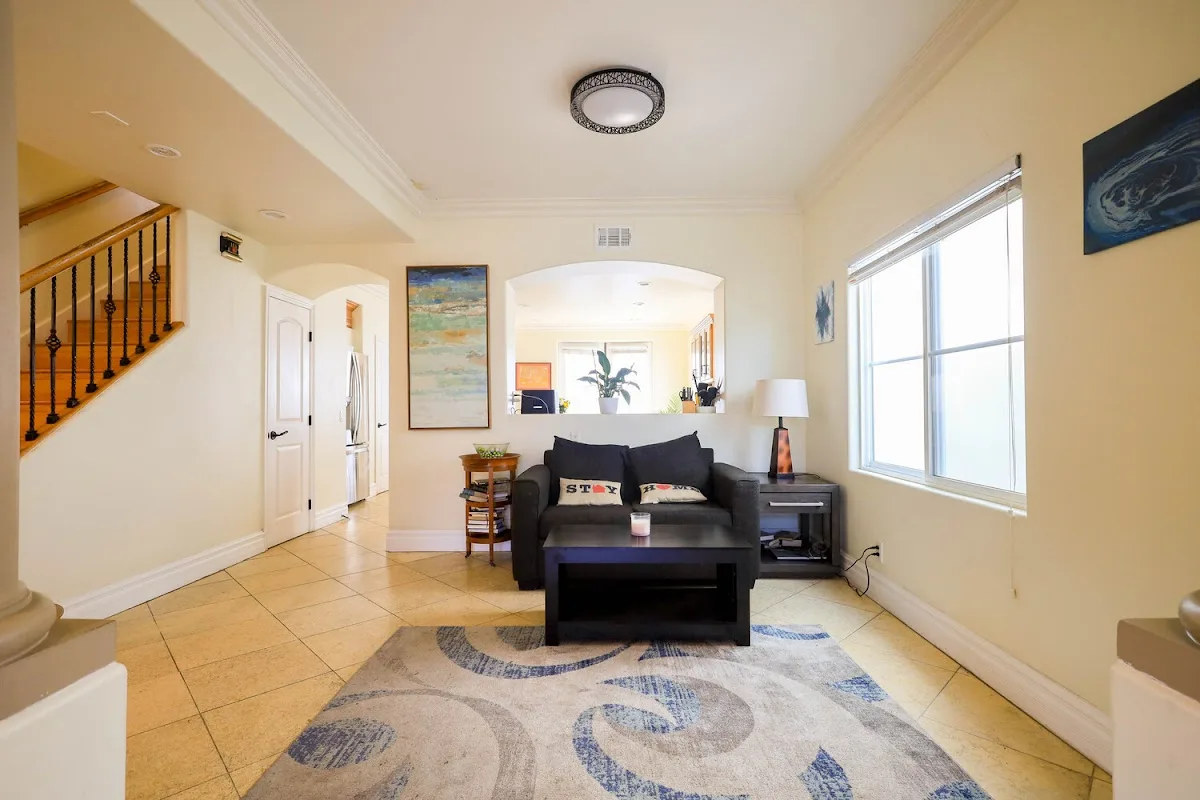
- Clean and Safe Facilities: The home should be well-maintained, free from hazards, and conducive to a healthy lifestyle.
- Accessibility to Resources: Proximity to 12-step meetings, therapy centers, and other recovery resources is a significant advantage.
Red Flags to Avoid
While searching for a sober living home, be vigilant about potential red flags that could indicate a less-than-ideal environment:
- Lack of Structure: If the home does not have clear rules or a daily schedule, it may not provide the necessary support.
- Inconsistent or Unqualified Staff: Staff who lack experience in recovery may not be equipped to help residents succeed.
- Poor Living Conditions: Signs of neglect, such as unsanitary conditions or broken facilities, are significant concerns.
- High Turnover Rates: Frequent changes in residents may indicate issues with the home's environment.
- Resistance to Transparency: If the home is unwilling to provide information about its policies, practices, or success rates, consider it a warning sign.
Questions to Ask During Tours
When visiting potential sober living homes, asking the right questions can help you gauge if it’s the right fit for you:
- What is the maximum number of residents? Smaller homes often provide a more intimate and supportive environment.
- What are the house rules? Understanding the expectations around curfews, chores, and attendance at meetings is crucial.
- What type of support is offered? Inquire about the availability of counseling, group therapy, or mentorship programs.
- How are conflicts handled? Knowing how the house manages disputes can give insight into the community’s dynamics.
- Are there any additional costs? Clarify if there are hidden fees for utilities, food, or activities.
House Rules and Expectations
Every sober living home will have its own set of rules and expectations. Common rules may include:
- Zero tolerance for drugs and alcohol.
- Mandatory attendance at support group meetings.
- Regular drug testing.
- Chores and responsibilities around the house.
- Curfews and guest policies.
Understanding these rules upfront will help you assess whether you can comply with them comfortably.
Cost and Financial Assistance
The cost of sober living homes can vary widely depending on the location and services offered. Here are some considerations regarding financial assistance:
- Insurance Coverage: Check if your health insurance covers any costs associated with sober living.
- Sliding Scale Fees: Some homes offer fees based on your income, making it more accessible.
- Non-Profit Organizations: Look for local charities or organizations that may provide financial assistance or scholarships.
The Difference Between Level 1 and Level 2 Sober Homes
Sober living homes are often categorized into levels based on the support provided:
- Level 1: These homes typically offer a more relaxed environment with fewer restrictions. They are suitable for individuals who have completed a primary treatment program and are seeking a transitional phase.
- Level 2: These homes provide more structure and support, often including more rigorous attendance at meetings and therapy sessions. They are ideal for those needing additional accountability.
How to Find Certified Sober Homes in Santa Ana
Finding certified sober living homes can be done through several methods:
- State Resources: Check California's Department of Health Care Services for a list of certified facilities.
- Local Recovery Communities: Reach out to local support groups or recovery organizations for recommendations.
- Online Directories: Use reputable online platforms that list sober living homes and provide reviews and ratings.
Success Tips for Sober Living
To thrive in a sober living environment, consider these tips:
- Engage Actively: Participate in house activities and support meetings to build connections.
- Maintain a Routine: Establishing a daily routine can provide structure and a sense of normalcy.
- Set Personal Goals: Focus on your recovery and set achievable goals to maintain motivation.
- Seek Support: Don’t hesitate to reach out to staff or fellow residents when you need help.
- Stay Committed: Recovery is a journey, and staying committed to your sobriety will yield the best results.
Choosing the right sober living home is a significant step toward a healthier, more fulfilling life. By being informed and proactive, you can find a supportive environment that aligns with your recovery needs in Santa Ana.
More Recovery Resources in Santa Ana
- Women's Addiction Treatment in Santa Ana: Gender-Specific Programs & Sober Living (2026)
- Cost of Sober Living in Santa Ana: 2026 Insights
- Relapse Prevention in Santa Ana: Strategies, Warning Signs & Local Support (2026)
- Browse Santa Ana Sober Living Homes
- Find Santa Ana Detox Centers
- Get Free Help Now
Sober Network is a directory, not an intake form. Explore local facilities and contact providers directly.