
Starting your journey in recovery can be overwhelming, especially when you're stepping into an unfamiliar environment like a rehab facility in Santa Ana. The first week is crucial as it sets the foundation for your entire treatment process. Understanding what to expect during this period can help ease your anxiety and prepare you mentally and emotionally.
Initial Assessment
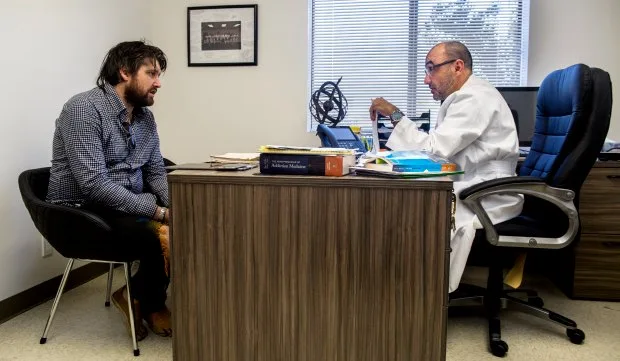
The moment you enter a rehab center, an initial assessment will take place. This evaluation helps determine the level of care needed based on your specific situation. It typically includes:
- Mental health screening: To assess for co-occurring disorders such as depression or anxiety.
- Medical history review: Including past substance use and any physical conditions that may impact treatment.
- Addiction severity assessment: Evaluating the extent of your addiction to tailor a personalized recovery plan.
This process is essential for ensuring you receive the most effective care possible. If you're unsure about the initial steps or feel overwhelmed, remember that help is available. You can reach out to 988 Lifeline for immediate support and guidance.
Detoxification Process
The detox phase is often the most challenging part of early recovery, as your body adjusts to functioning without substances. Depending on your addiction type and severity, medical supervision might be necessary during this period. Always consult with a qualified healthcare provider before attempting any form of withdrawal.
Detox can vary widely in duration and intensity but typically involves:
- Physical symptoms: Such as nausea, tremors, or insomnia.
- Mental challenges: Including irritability, anxiety, or depression.
Your treatment team will monitor your progress closely to ensure safety and comfort. They may also provide medications if needed to alleviate severe withdrawal symptoms.
Treatment Planning
Once detox is complete or manageable without medical intervention, the focus shifts towards creating a comprehensive treatment plan. This phase involves:
- Individual counseling sessions: To address personal issues contributing to addiction.
- Group therapy meetings: Sharing experiences and learning from peers in similar situations.
- Education about addiction: Understanding the science behind substance use disorders.
A tailored plan ensures that you receive targeted interventions addressing both your physical dependence on substances and psychological aspects of addiction. Remember, recovery is a highly individualized process, so it's important to work closely with professionals who understand this.
Lifestyle Changes and Coping Strategies
Rehabilitation isn't just about stopping substance use; it’s also about building a healthier lifestyle moving forward. This includes:
- Nutrition and exercise: Improving physical health to support mental well-being.
- Sleep hygiene: Establishing routines that promote restful sleep.
- Stress management techniques: Learning how to handle life's challenges without turning back to substances.
The goal is not just abstinence but sustainable recovery. These changes are crucial for long-term success and preventing relapse.
Family Involvement and Support Systems
Building a strong support network is vital during your rehabilitation journey. Family involvement can be incredibly beneficial:
- Family therapy sessions: Helping repair relationships damaged by addiction.
- Support groups: Engaging with others who understand the challenges of recovery.
Connecting with loved ones and peers in similar situations provides emotional support and accountability. It’s also a great way to learn from shared experiences and gain new perspectives on your journey towards sobriety.
Aftercare Planning for Continued Success
The week before discharge is dedicated to planning for life after rehab. This includes:
- Outpatient treatment options: Identifying ongoing therapy needs post-discharge.
- Relapse prevention strategies: Developing tools and plans to maintain sobriety long-term.
- Social support networks: Strengthening connections with sober living communities or sponsors.
A well-thought-out aftercare plan ensures you have the necessary resources in place for continued success. It’s important to engage actively during this phase, asking questions and voicing concerns to ensure your transition back into daily life is as smooth as possible.
Remember, Sober Network serves as a directory where you can explore various rehab facilities and support services in Santa Ana. Use it to find options that best fit your needs. For more information or assistance, consider reaching out to SAMHSA's Treatment Locator for additional resources.
Your journey towards recovery is unique and personal. By understanding what lies ahead in the first week of rehab, you can approach this new chapter with confidence and hope. If at any point you feel overwhelmed or need immediate help, don’t hesitate to reach out to 988 for support.
Sober Network is a directory, not an intake form. Explore local facilities and contact providers directly.